
Hotel Development Values Shaping the Industry
The hotel industry is undergoing a remarkable transformation, driven by shifting traveler expectations and technological innovation. Developers and investors are rethinking how hotels are designed, built, and operated to align with the evolving needs of modern guests and the competitive realities of the market. From eco-friendly practices and smart building technologies to flexible designs and wellness-focused amenities, the values shaping hotel development today are setting new standards for the hospitality landscape. Understanding these developments is essential for anyone looking to hire the right hotel construction company to help them stay ahead in an increasingly dynamic and demanding market.
The hotel sector's evolution is not only a response to changing guest behaviors but also to broader economic and social shifts in values. Travelers today are more discerning, expecting personalized experiences, seamless technology integration, and sustainability at every level of their stay. Meanwhile, investors and developers are navigating tighter construction timelines, fluctuating material costs, and new regulatory pressures that influence how projects are planned and executed. This dynamic environment demands adaptability and creativity, pushing owners to rethink traditional building methods and embrace forward-looking design strategies that align with both profitability and long-term value.
At the same time, global trends such as remote work, wellness tourism, and the rise of boutique hospitality have redefined what guests look for in accommodations. No longer are travelers satisfied with uniform layouts and predictable amenities; they crave authenticity, flexibility, and comfort that reflect the spirit of the destination. Developers are responding by incorporating local culture, eco-conscious design, and smart technologies into every phase of construction. As these trends converge, modern hotel construction companies play a crucial role in shaping how the next generation of travelers experiences comfort, connection, and innovation across the hospitality landscape.
Technology
Technology continues to revolutionize the hospitality industry, influencing everything from guest interactions to operational efficiency. Modern travelers expect seamless connectivity and convenience, and hotels are responding with cutting-edge innovations.
A hotel construction company must integrate digital systems into its designs from the earliest stages of development. Rooms equipped with smart lighting, automated curtains, and app-based temperature controls are no longer futuristic concepts; they are current expectations. Self-check-in kiosks, keyless entry systems, and in-room tablets enhance the guest experience while reducing staffing pressures.
Behind the scenes, advancements in technology allow hotels to monitor energy consumption, predict maintenance needs, and streamline housekeeping schedules. Data analytics approaches are also helping operators personalize services, from room preferences to dining recommendations. The integration of technology in hotel design is not just about convenience; it's about creating a connected ecosystem that improves guest satisfaction and operational performance.
Development
The global hospitality market is seeing a strategic concentration in certain segments, particularly the upper midscale and upscale tiers. According to Construction Today, among the various hotel chain scales, these segments dominate the development market, accounting for nearly 70% of projects a given hotel construction company receives. This trend reflects both investor confidence and consumer demand for quality accommodations that balance affordability with elevated amenities.
A hotel construction company working in these segments must understand the delicate balance between cost-efficiency and premium design. Developers are focusing on creating properties that deliver exceptional guest experiences without the high operational expenses associated with luxury brands. These hotels often feature stylish, compact rooms, vibrant communal spaces, and convenient technology-driven amenities.
This shift also mirrors broader travel patterns, as more travelers, especially younger generations and business professionals, seek well-appointed yet affordable accommodations. As these segments continue to dominate new developments, construction companies must adapt to deliver high design value within mid-range budgets.
Function
Modern travelers no longer see hotels as just a place to sleep; they view them as multifunctional environments for work, socializing, and relaxation. This shift in perception has sparked a trend toward flexible space design that values a combination of function and aesthetics.
A modern hotel construction company must now consider how to build spaces that can serve multiple purposes throughout the day. For instance, a breakfast area may double as a co-working lounge during the afternoon, and a conference space might transform into a social event venue in the evening. Movable partitions, modular furniture, and adaptable lighting solutions are essential design tools in creating these versatile environments.
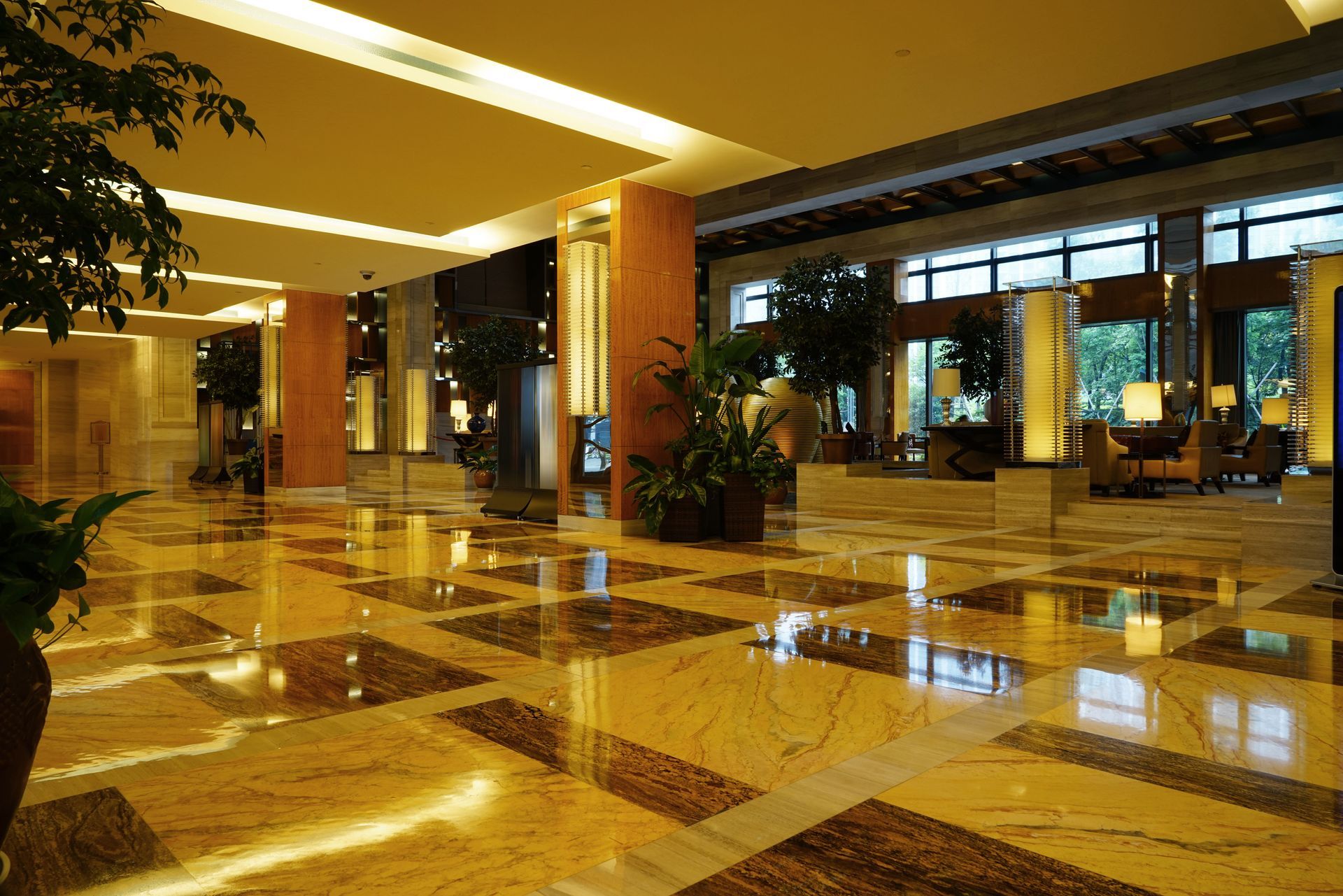
Lobbies are becoming hubs of activity where business and leisure intersect. Guests want the freedom to work remotely, network with others, or unwind comfortably, all within the same shared space. Developers are responding by designing open, fluid layouts that encourage social interaction while maintaining privacy and functionality. The result is a more dynamic and engaging guest experience that keeps visitors coming back.
Wellness
Wellness is no longer confined to spas and gyms; it's becoming a defining feature of hotel design. The modern traveler places greater value on physical and mental health, and hotels are adapting to meet this demand.
A hotel construction company now faces growing expectations to incorporate wellness-oriented elements into its projects. This includes improving indoor air quality, maximizing natural light, and using biophilic design principles that connect guests with nature. Features such as soundproofing, ergonomic furniture, and fitness options contribute to a sense of relaxation and rejuvenation.
Wellness also extends beyond the individual guest experience to encompass community and sustainability. Rooftop gardens, organic restaurants, and spaces designed for yoga or meditation are becoming popular additions. Hotels that successfully integrate wellness features not only enhance guest satisfaction but also differentiate themselves in an increasingly crowded market.
Culture
Today's travelers are drawn to experiences that reflect authenticity and local culture. Generic hotel interiors are giving way to designs that tell a story about their location, history, and people. The design of a modern hotel must be aesthetically pleasing while incorporating authenticity.
For a hotel construction company, this means working closely with designers and architects to create properties that blend seamlessly with their surroundings. Locally sourced materials, regional art, and culturally inspired design motifs are being used to create a sense of place. This approach resonates strongly with guests seeking meaningful connections to their destinations.
Boutique and lifestyle hotels are leading this trend, but even large chains are embracing localized design strategies. By incorporating local heritage and aesthetics, hotels can offer distinctive experiences that set them apart from competitors. Travelers increasingly want to feel that their stay is part of the local narrative, not just a standardized experience that could be found anywhere.
The hotel industry is in the midst of a profound evolution, shaped by sustainability goals, technological advancement, and changing guest priorities. From wellness-focused spaces and smart technologies to flexible layouts and authentic local design, the trends defining hotel development reflect a shift toward more meaningful, efficient, and responsible hospitality.
For anyone seeking a hotel construction company, staying attuned to these trends is crucial for long-term success. Hotel owners who embrace eco-friendly practices, integrate digital systems, and design with adaptability in mind will lead the industry forward. As the upper midscale and upscale segments continue to dominate new projects, innovation and strategic thinking will remain the cornerstones of growth.
Hotel development today is about more than just creating buildings; it's about crafting experiences that inspire, comfort, and connect people across the globe. The companies that recognize this will not only shape the future of the industry but also redefine what hospitality means in a world that never stops changing. When you're ready to take the next step toward hotel construction, contact Construction Services Inc.

Share On: