Essential Services That Help to Support Industrial Construction Projects
Industrial construction projects are inherently complex, encompassing multiple disciplines, specialized expertise, and intricate coordination among diverse teams. The success of these projects often hinges on the integration of essential services that guide them from conceptualization to completion. These services not only ensure smooth execution but also help industrial construction teams navigate modern challenges such as stricter environmental regulations, rising demands for sustainable practices, and technological advancements. According to Construct Connect, the U.S. is experiencing a 7% increase in new construction projects, emphasizing the growing need for robust support services capable of managing expanding workloads and maintaining project quality.
Beyond the immediate logistical and technical challenges, industrial construction projects also face pressures from market demands and evolving industry standards. Stakeholders increasingly expect projects to be delivered on time, within budget, and in compliance with environmental and safety regulations. This makes the role of professional services more critical than ever, as they provide the expertise necessary to coordinate complex operations, reduce risks, and ensure quality outcomes.
From pre-construction planning to post-completion evaluation, these services form the backbone of successful projects, allowing companies to scale efficiently while maintaining high standards of performance and sustainability. In a rapidly growing industry, the ability to integrate these services effectively can be the deciding factor between project success and costly delays or inefficiencies.
Project Planning and Scheduling
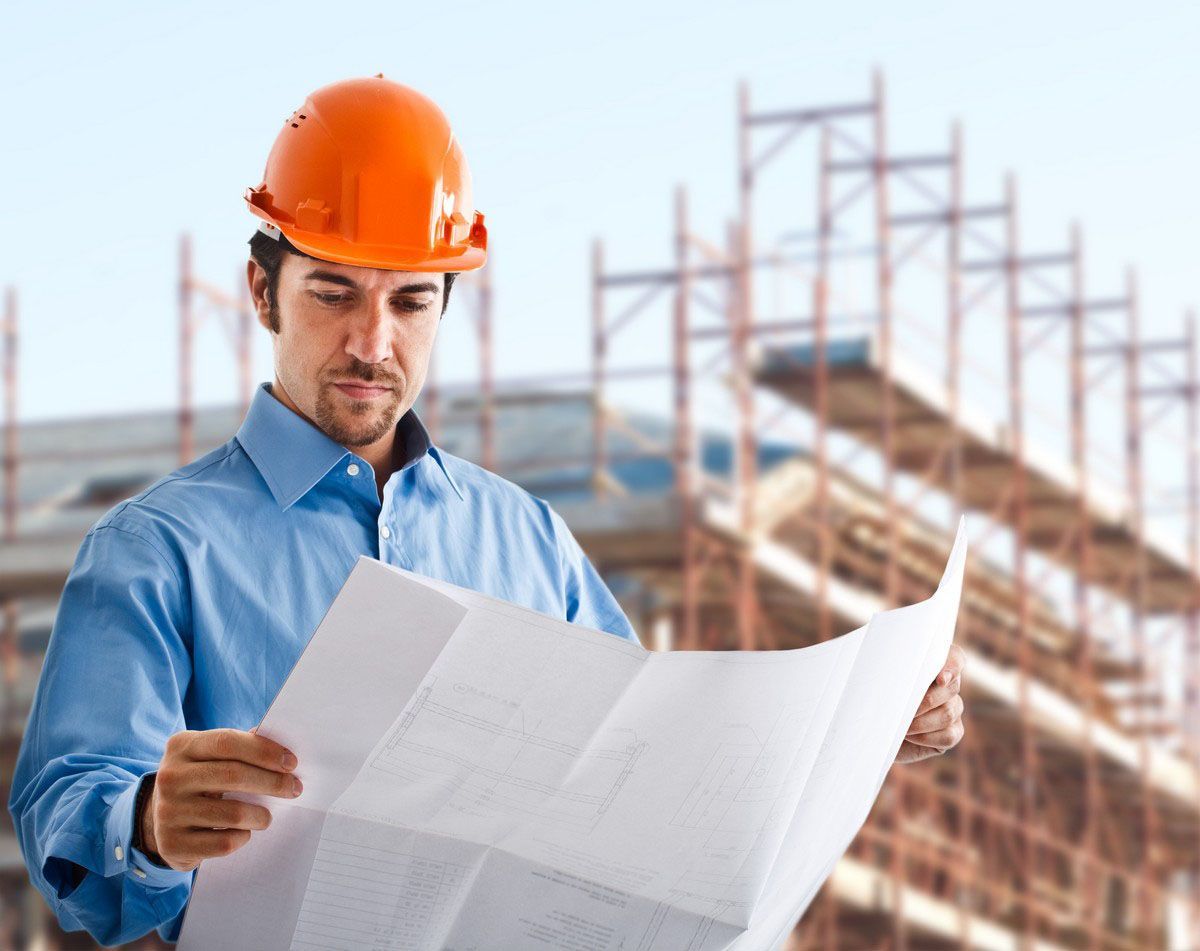
At the heart of industrial construction lies comprehensive project planning and scheduling. Planning allows teams to allocate resources efficiently, anticipate potential delays, and establish a clear roadmap for project phases. Advanced tools such as Gantt charts, critical path analysis, and predictive software models help project managers coordinate timelines and track progress. Scheduling extends this process by managing the workforce, equipment, and materials across all stages of construction. In modern industrial construction, agile scheduling systems allow real-time adjustments, ensuring projects remain on track despite unexpected challenges. With a 7% rise in U.S. construction activity, meticulous planning and scheduling are more critical than ever for balancing overlapping timelines and resource demands.
Cost Management and Budget Control
Cost management is essential for maintaining financial discipline throughout industrial construction projects. Accurate budgeting, forecasting, and continuous expense tracking prevent overruns and optimize resource use. Proactive financial monitoring helps project managers identify deviations early, enabling corrective action before they escalate. Effective cost management also incorporates cost-benefit analyses to ensure every expenditure contributes meaningfully to project goals. In an environment of increasing project complexity and material cost fluctuations, robust financial planning safeguards both budgets and profitability, supporting the efficiency and sustainability of industrial construction efforts.
Risk Assessment and Mitigation
Industrial construction projects face a broad spectrum of risks, from regulatory changes and environmental hazards to operational disruptions. Risk assessment identifies potential threats, evaluates their likelihood and impact, and informs mitigation strategies to minimize delays and financial losses. Proactive risk management requires regular review and adaptation as projects evolve. Digital tools, including real-time risk monitoring and simulation software, enable teams to anticipate challenges and implement solutions quickly. As project activity grows with the 7% surge in new construction, an effective risk management strategy becomes increasingly vital to ensuring timelines and project objectives remain intact.
Quality Assurance and Compliance
Quality assurance underpins the reliability and success of industrial construction projects. Systematic inspections, audits, and testing protocols ensure that work meets design specifications, regulatory standards, and client expectations. Early detection of defects prevents costly post-construction corrections and maintains budget integrity. Integrating modern technologies, such as AI-driven inspections and IoT-based monitoring, enhances quality oversight, especially in larger, more complex projects. Strong quality assurance not only safeguards structural integrity but also reinforces client confidence and supports the long-term success of industrial construction initiatives.
Communication and Coordination
Clear communication and coordination are essential for aligning multidisciplinary teams in industrial construction projects. Collaborative software, regular meetings, and integrated reporting tools facilitate information exchange, reduce misunderstandings, and streamline workflows. Coordination ensures tasks are synchronized across teams, optimizing resource utilization and avoiding redundancy. With rising project demands reflected in the 7% construction growth, innovative communication strategies—such as real-time dashboards and task-tracking platforms—allow teams to proactively resolve issues, maintain schedules, and enhance overall project efficiency.
Structural and Architectural Design
Structural and architectural design services form the backbone of industrial construction. Structural engineers develop frameworks that ensure stability, safety, and resilience under operational loads. Advanced simulations, 3D modeling, and new material technologies enhance design accuracy and efficiency, supporting larger and more complex projects. Architectural design complements structural integrity by balancing functionality with usability, space optimization, and operational workflows. Collaboration between architects and engineers ensures that industrial construction projects meet both technical requirements and client expectations while adhering to regulatory standards and sustainable practices.
Civil Engineering and Site Development
Civil engineering is critical for creating safe, functional, and sustainable infrastructure in industrial construction projects. Civil engineers oversee site surveys, roadway design, utility planning, and foundation preparation. Incorporating sustainable practices and renewable energy solutions reduces environmental impact and increases long-term project efficiency. Geotechnical analysis further informs foundation stability, soil composition, and groundwater considerations. As project complexity increases alongside the 7% rise in U.S. construction, civil engineering expertise ensures that industrial construction projects are feasible, safe, and built to last.
Mechanical, Electrical, and Plumbing (MEP) Design
MEP design ensures that industrial facilities operate efficiently and reliably. Mechanical systems handle heating and ventilation, electrical systems manage power distribution, and plumbing systems maintain water and waste management. Engineers use Building Information Modeling (BIM) and other digital tools to coordinate these systems, minimizing conflicts and enhancing energy efficiency. Incorporating renewable energy technologies and sustainability features is increasingly important for modern industrial construction projects, helping reduce operational costs while complying with environmental standards.
Environmental and Geotechnical Analysis
Environmental and geotechnical services assess site conditions and ecological impacts before construction begins. Environmental analysis ensures regulatory compliance, mitigates environmental risks, and promotes sustainable construction practices. Geotechnical evaluation examines soil, rock, and groundwater conditions to guide foundation design and construction planning.
Advanced tools, including geospatial mapping and remote sensing, improve accuracy and allow proactive problem-solving. These analyses are essential for mitigating risks, enhancing safety, and ensuring the long-term viability of industrial construction projects. By identifying potential challenges early, these services help prevent costly delays and structural issues during construction. They also support decision-making for sustainable site development, balancing operational efficiency with environmental stewardship.
Procurement and Supply Chain Management
Procurement and supply chain management are vital to securing reliable materials and services. Supplier selection, evaluation, and contract negotiation ensure quality, timely delivery, and cost efficiency. Strategic sourcing and digital procurement tools streamline workflows, reduce delays, and foster long-term partnerships with reliable vendors. As U.S. construction activity grows by 7%, efficient supply chain management becomes increasingly important, allowing industrial construction teams to meet project timelines while maintaining budgetary and quality standards.
Industrial construction is a multifaceted endeavor that demands expertise across project management, engineering, design, environmental assessment, and procurement. Each of these services is essential for maintaining quality, safety, and efficiency while navigating the challenges of modern construction. With a 7% increase in U.S. construction projects, the need for integrated, adaptive, and technologically advanced services has never been greater. By investing in comprehensive support across all aspects of industrial construction, companies can ensure successful project delivery and long-term operational excellence.
Take the next step in achieving your
industrial construction goals by partnering with the experienced professionals at Construction Services Inc, who provide end-to-end solutions, ensuring efficiency, quality, and sustainability from start to finish.
Share On: